How to Use Agricultural-Grade Potassium Nitrate Correctly?
Release time: 2026-03-13
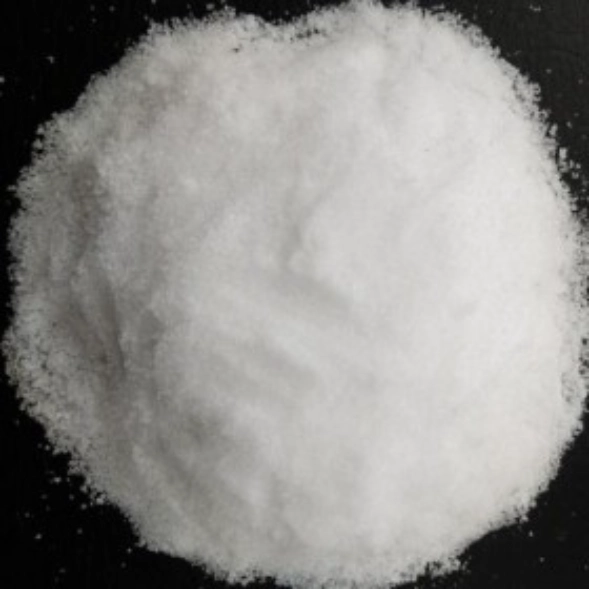
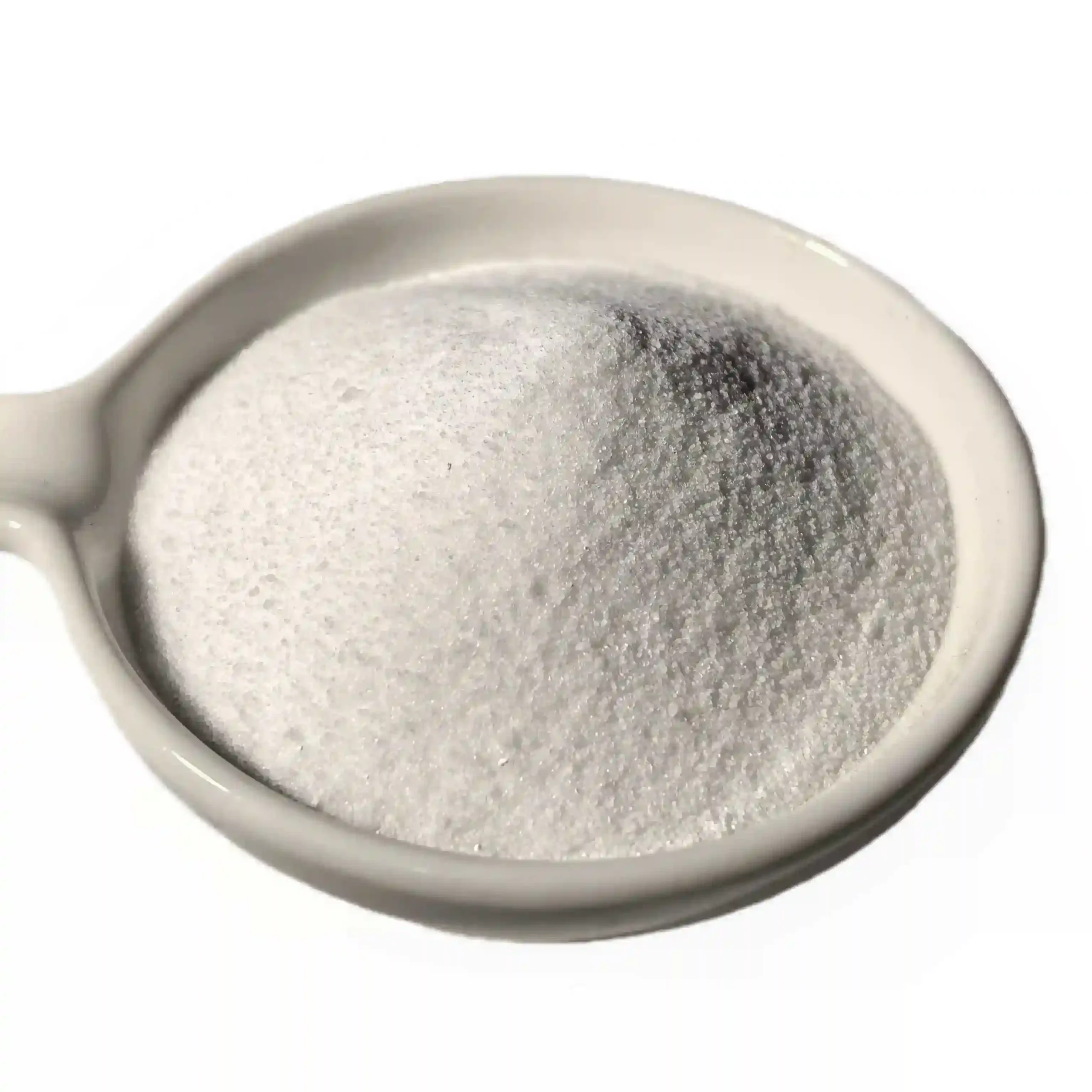
Agricultural-grade potassium nitrate (KNO₃) is a highly efficient nitrogen-potassium compound fertilizer widely used in the production of various crops. Its unique chemical properties make it crucial in promoting plant growth, increasing yield, and improving fruit quality. However, correct application methods and timing are key to achieving optimal fertilizer efficiency. This article will discuss the composition of potassium nitrate and its effects on plant growth, the optimal application time, effective application methods, and precautions to help farmers better utilize this important fertilizer and improve the overall efficiency of agricultural production.
Table of Contents
What is the relationship between the main components of potassium nitrate and plant growth?
Potassium nitrate is mainly composed of two nutrients: nitrogen (N) and potassium (K). Nitrogen is one of the key elements for plant growth, mainly promoting leaf growth and photosynthesis, thereby increasing crop growth rate and yield. Potassium, on the other hand, plays a role in regulating water, enhancing disease resistance, and improving fruit quality within the plant. Potassium promotes root development and enhances the plant’s resistance to environmental stress. Therefore, the rational application of potassium nitrate can comprehensively improve crop growth, especially during key growth stages (such as tillering, flowering, and fruit enlargement), contributing to higher yields and better quality.
When should potassium nitrate be applied for optimal fertilizer efficiency?
The timing of potassium nitrate application is crucial. Generally, the optimal application time should be chosen during key growth periods. For most gramineous crops, it is recommended to apply the first fertilizer within 1-2 weeks after sowing, when the crop is in its early growth stage and has a high demand for nitrogen and potassium. Subsequent applications during tillering and flowering help promote stem and leaf growth and fruit formation. A final application of potassium nitrate during fruit enlargement effectively increases the sugar content and quality of the fruit. Furthermore, the application time should be adjusted flexibly according to soil nutrient status and climate changes to ensure that the crop can fully absorb the required nutrients.
What are some effective application methods to improve potassium nitrate absorption?
The method of applying potassium nitrate directly affects its absorption efficiency. Common application methods include broadcasting, hole application, and drip irrigation.
Broadcasting: Suitable for large areas. After application, the soil should be tilled promptly to reduce nitrogen volatilization loss. Ensure even distribution during broadcasting to avoid concentrated application and localized fertilizer burn.
Hole application: Suitable for targeted fertilization of specific crops. This method reduces fertilizer waste and improves root absorption efficiency. Dig small holes around each plant, place an appropriate amount of potassium nitrate, and then cover with soil.
Drip irrigation: A highly efficient fertilization method in modern agriculture. Potassium nitrate solution is delivered directly to the vicinity of the roots through the irrigation system, ensuring efficient fertilizer utilization and reducing water waste. When using drip irrigation, care should be taken to control the fertilizer concentration to prevent root burn.
What risks and misconceptions should be considered when applying potassium nitrate?
Although potassium nitrate is a highly efficient fertilizer, improper application can lead to a series of problems. First, excessive application can cause soil salinization, thus affecting normal crop growth. Therefore, soil testing should be conducted before application to determine the appropriate nitrogen and potassium content. Secondly, improper timing of potassium nitrate application, such as during extreme weather conditions (heavy rain or high temperatures), can lead to fertilizer runoff or plant damage. Furthermore, different crops have different potassium nitrate requirements; farmers should adjust the dosage according to the crop’s growth characteristics and actual needs. Finally, maintaining good fertilization records is crucial for future optimization in fertilization plans.
The rational application of agricultural-grade potassium nitrate can not only effectively meet the nutritional needs of crops but also significantly improve their growth and economic value. By understanding the composition and characteristics of potassium nitrate, mastering the optimal application time and method, and paying attention to the risks and pitfalls during application, farmers can achieve higher yields and better quality. In modern agricultural development, scientific fertilization is an important way to improve productivity. It is hoped that this article will provide practical guidance for your application of potassium nitrate and contribute to sustainable agricultural development.