How to Determine the Quality and Purity of Potassium Nitrate?
Release time: 2026-01-12
Potassium nitrate (KNO₃) is an important chemical raw material widely used in agricultural fertilizers, food preservatives, and explosives. To ensure its effectiveness and safety during production and use, accurately determining the quality and purity of potassium nitrate is crucial. This article will explore several commonly used methods, including physical property testing, chemical titration, and instrumental analysis, to help readers comprehensively understand how to assess the quality and purity of potassium nitrate, providing a reference for related industries.
Physical Property Testing
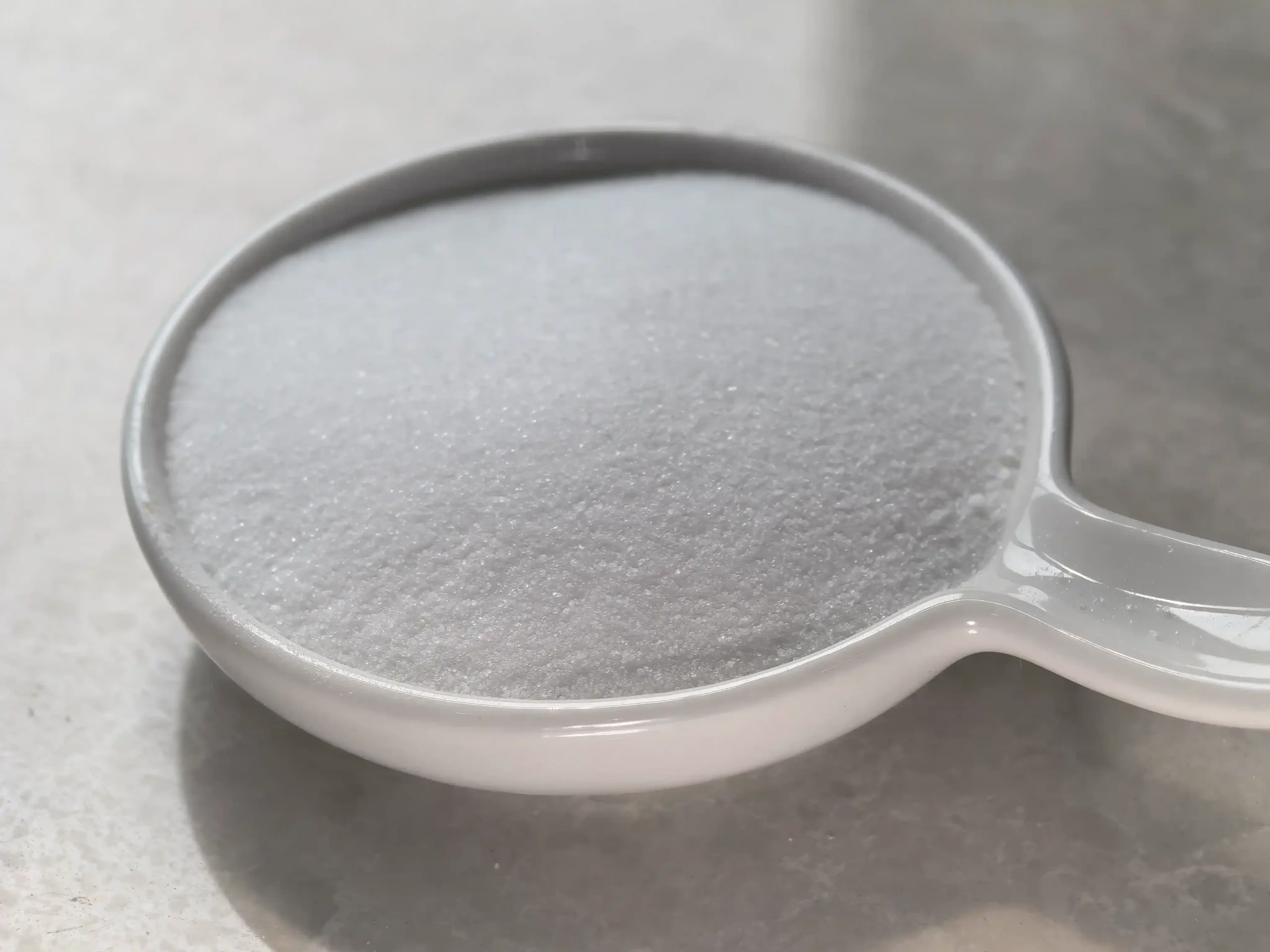
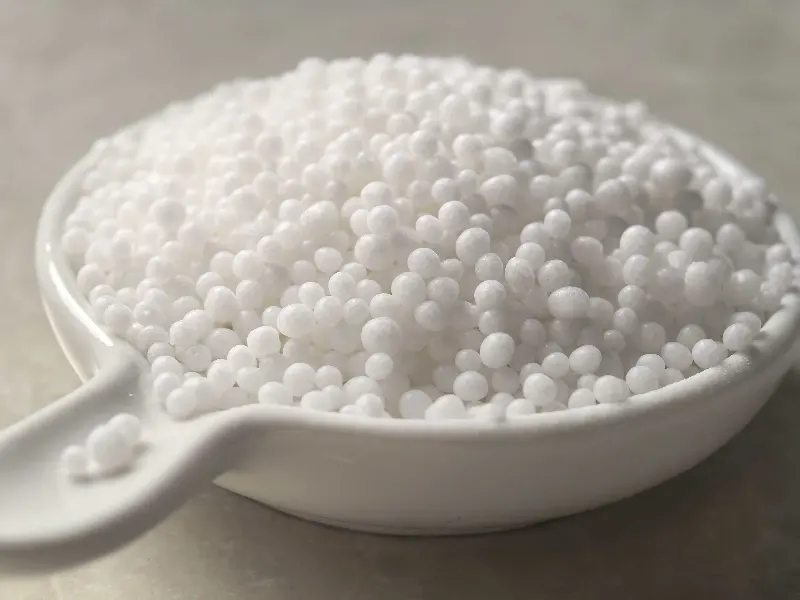
First, a preliminary judgment can be made by observing the appearance and physical properties of potassium nitrate. High-purity potassium nitrate is usually colorless crystals or white granules with good solubility. Its quality can be preliminarily assessed by observing the color, shape, and particle size of the sample. The presence of impurities or discoloration may indicate low purity. Furthermore, observing the crystal structure under a microscope can also help determine its purity.
Solubility Analysis
The solubility of potassium nitrate in water is an important indicator of its purity. Generally, high-purity potassium nitrate has high solubility at room temperature. A certain amount of potassium nitrate can be added to a known volume of water and its dissolution observed. If it dissolves completely without forming a precipitate, its purity is high; otherwise, it may contain insoluble impurities.
Chemical Titration Method
Chemical titration is one of the commonly used methods for determining the mass and purity of potassium nitrate. The specific steps are as follows:
Prepare reagents: Use a standard sodium hydroxide solution as the titrant.
Weigh the sample: Accurately weigh a certain amount of potassium nitrate sample and dissolve it in distilled water, transferring it to a titration flask.
Perform titration: Add the sodium hydroxide solution dropwise to the potassium nitrate solution while monitoring the pH change until the endpoint is reached (usually a neutral pH value). Based on the volume of sodium hydroxide solution consumed, the potassium nitrate content in the sample can be calculated.
This method can not only determine the mass of potassium nitrate but also assess its purity by comparing it with the theoretical value.
Instrumental Analysis Method
Modern instrumental analysis techniques can also be used to detect the mass and purity of potassium nitrate. Commonly used methods include:
High-Performance Liquid Chromatography (HPLC): HPLC can effectively separate and quantify potassium nitrate and its impurities. This method is highly sensitive and accurate, suitable for analyzing complex potassium nitrate samples.
Infrared Spectroscopy (IR): Infrared spectroscopy can be used to analyze the molecular structure of potassium nitrate, thereby determining its purity.
These instrumental analytical methods have high accuracy and repeatability, but require specialized equipment and technicians.
Heavy Metal Content Detection For food-grade potassium nitrate, heavy metal content is also an important quality indicator. Atomic absorption spectrometry (AAS) or inductively coupled plasma mass spectrometry (ICP-MS) can be used to detect heavy metal contaminants in samples. These methods can accurately determine the content of heavy metals such as lead, arsenic, and mercury in samples to ensure compliance with safety standards.
Through the above methods, the quality and purity of potassium nitrate can be effectively determined, thereby ensuring its safety and effectiveness in various application fields. Whether through simple physical property checks or the use of advanced instrumental analytical techniques, understanding and mastering these detection methods will help improve the utilization value of potassium nitrate. In daily production and application, ensuring the high quality of potassium nitrate is not only crucial for product quality, but also provides a guarantee for user safety.