Why Is Industrial Potassium Nitrate Used in Industrial Glass Manufacturing?
Release time: 2026-09-03
Table des matières
Glass manufacturing depends on carefully controlled raw materials. The right chemical composition affects melting, clarification, optical quality, and the consistency of the finished glass. Among the materials used in industrial glass processes, potassium nitrate has an important role in applications where controlled chemical reactions and material performance are required.
For buyers, however, choosing potassium nitrate is not simply a matter of finding the highest available purity. Industrial glass, optical glass, and consumer electronics glass can have very different material requirements. Purity, application, product consistency, and the intended production process all need to be considered together.
The industrial product range from Anhui Shengda Chemical Technology Co., Ltd. includes 99.5% potassium nitrate for glass manufacturing and 99.6% high-purity potassium nitrate for optical glass, providing options for different levels of application requirements.
Why Is Potassium Nitrate Used in Glass Manufacturing?
Potassium nitrate is an oxidizing nitrate compound that can be used in several high-temperature industrial processes. In glass manufacturing, its value is related to how it behaves during processing and how it interacts with the glass formulation.
The choice of raw material can influence the stability of the manufacturing process. For glass producers, this is particularly important because small variations in raw material quality can become more noticeable during large-scale production.
This is why nitrate de potassium de qualité industrielle is used where the required specification matches the needs of the glass production process. It provides a practical material option for industrial applications without automatically requiring the cost of a higher-purity grade.
What Does 99.5% Industrial Grade Potassium Nitrate Offer?
For general industrial glass applications, a 99.5% specification can provide a suitable balance between purity and procurement cost when it meets the formulation requirements.
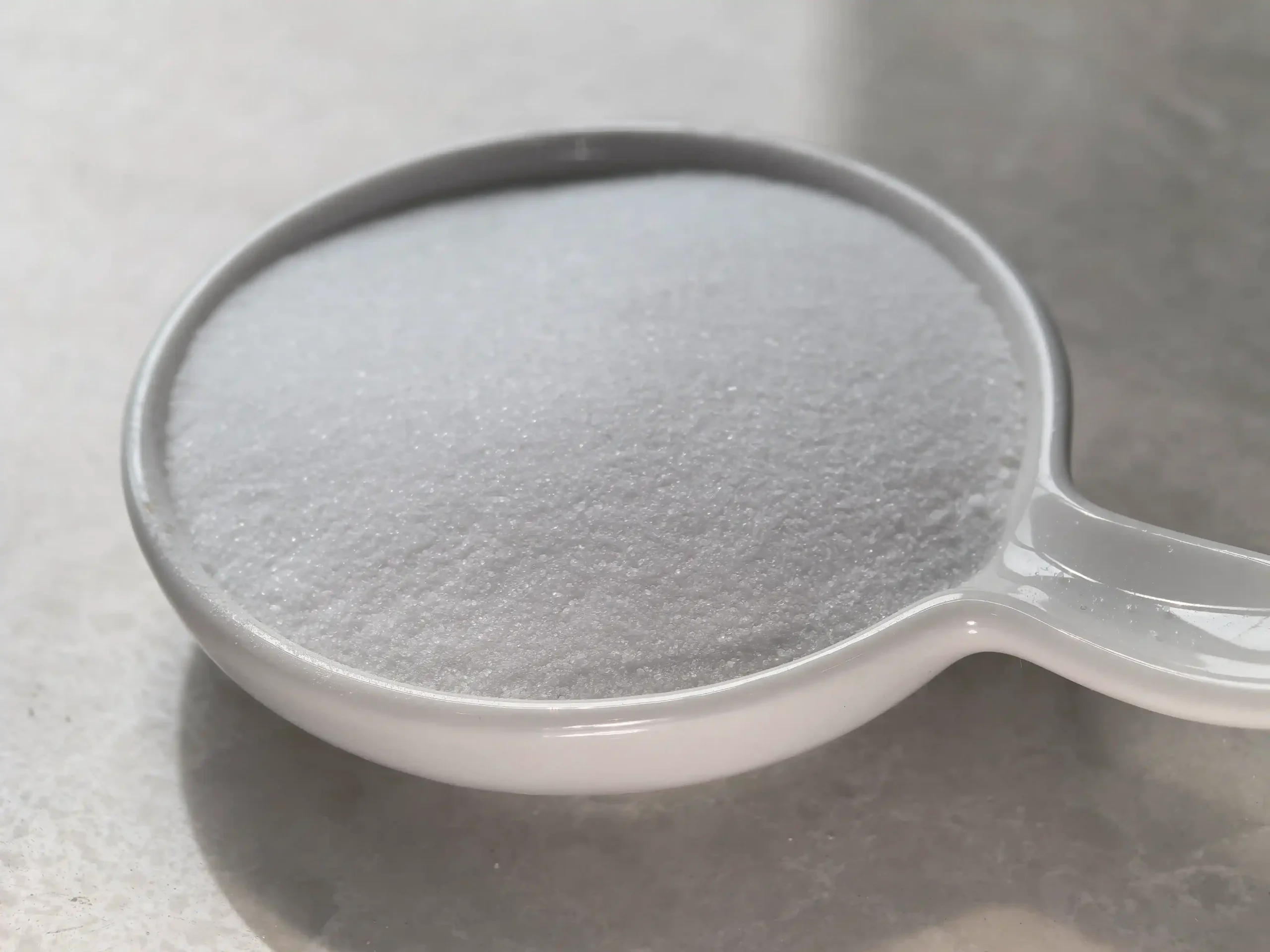
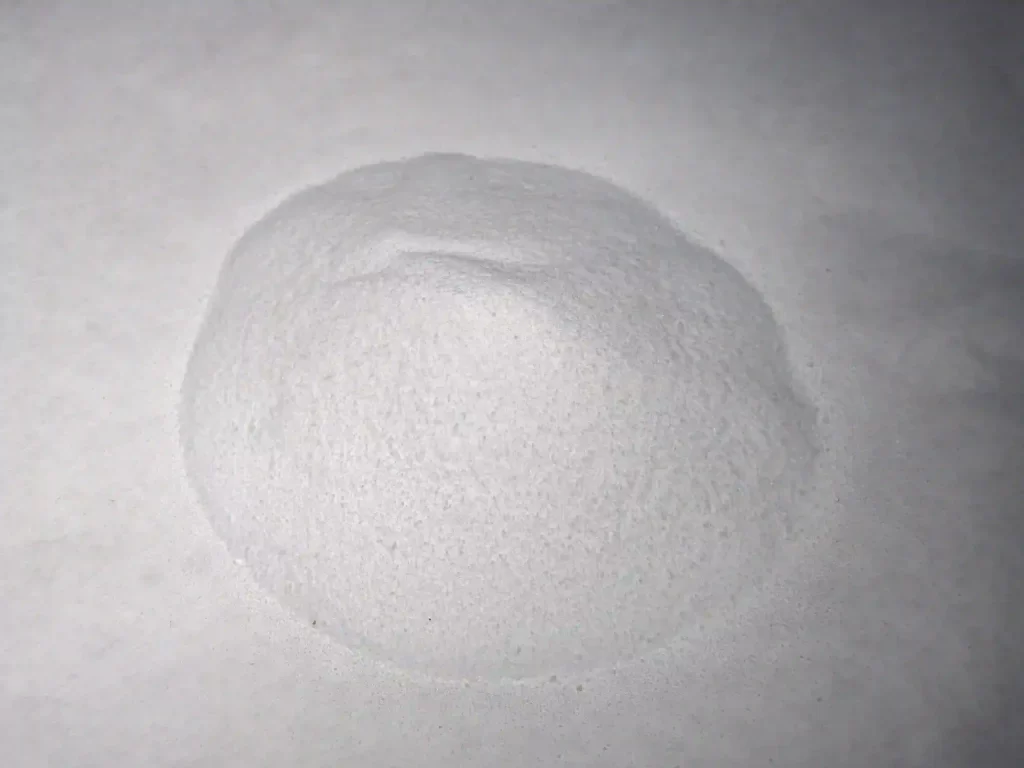
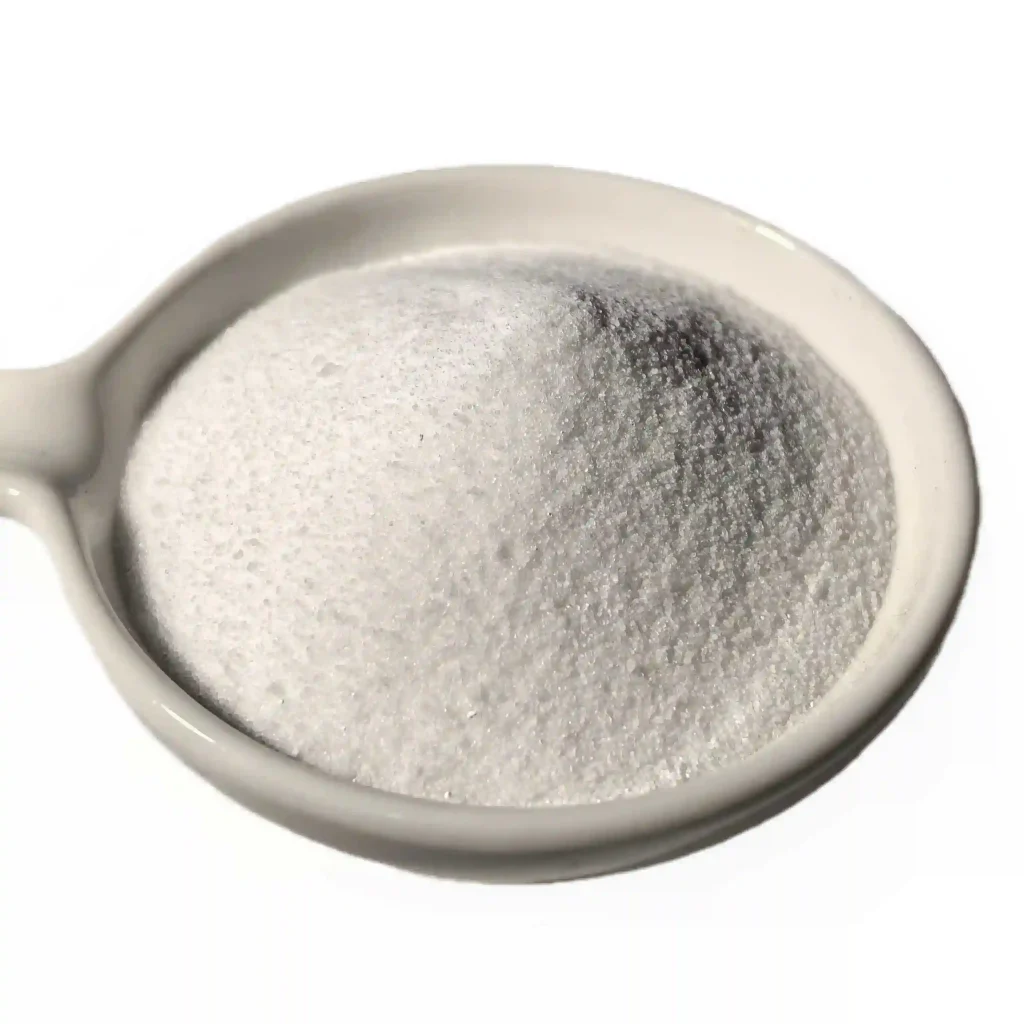
The product range includes 99.5% industrial grade potassium nitrate in powder form specifically listed for the glass manufacturing industry.
Powder is also convenient for industrial processing because it can be accurately weighed, mixed, and fed according to the requirements of the production line. For manufacturers working with established formulations, consistency from batch to batch can be just as important as the nominal purity.
A higher specification should therefore be selected when the application actually requires it, rather than simply because a higher number appears on the product specification.
When Is Higher-Purity Potassium Nitrate More Appropriate?
Not all glass products have the same performance requirements.
Optical glass, for example, places greater demands on raw material quality because impurities can affect the appearance and optical properties of the finished material. In these applications, manufacturers may need tighter control of the raw materials used in the process.
The product range includes 99.6% high-purity potassium nitrate powder for optical glass.
This makes the 99.6% grade a more relevant option when the production process requires a higher-purity potassium nitrate than standard industrial glass applications.
The key point is that purity should be matched to the glass product and manufacturing process. A higher-purity material is valuable when it solves a specific production requirement, not simply because it has a higher specification.
How Does Potassium Nitrate Fit Different Glass Applications?
Different glass products can have different raw material requirements. A practical way to understand the product selection is to look at the application first.
| Glass Application | Suitable Potassium Nitrate Option | Main Consideration |
| Industrial glass manufacturing | 99.5% industrial grade | General production requirements |
| Verre optique | 99.6% high-purity grade | Higher raw material purity |
| Consumer electronics glass | Higher-purity grade | Tight control of impurities and process consistency |
The website’s potassium nitrate range includes products specifically positioned for glass manufacturing, optical glass, and consumer electronics glass. The listed grades range from 99.5% industrial grade to 99.9% high-purity potassium nitrate.
This range allows buyers to select a product based on the actual requirements of their glass manufacturing process instead of applying one specification to every type of glass.
Why Does Raw Material Consistency Matter?
Purity is only one part of raw material quality. Consistency between batches is also important for continuous glass production.
If the characteristics of a raw material vary significantly from one batch to another, manufacturers may need to make frequent adjustments to their process. This can make production control more difficult, particularly in operations running continuously or at high volume.
For this reason, buyers should consider:
- Consistency between production batches
- Purity and impurity control
- Powder characteristics
- Packaging and storage conditions
- Supply stability
- Documentation and technical support
A stable supply of the required grade can make procurement easier and reduce unnecessary changes to the production process.
Is 99.5% Potassium Nitrate Enough for Glass Manufacturing?
It depends on the type of glass and the requirements of the production process.
For general industrial glass manufacturing, a 99.5% product may be appropriate when the formulation and process are designed around that specification. The website specifically lists a 99.5% industrial grade potassium nitrate powder for glass manufacturing.
However, applications with tighter material requirements may call for a higher-purity product. Optical glass is one example, with a 99.6% high-purity potassium nitrate product listed for this application.
The decision should therefore be based on the finished glass, production conditions, and raw material specifications rather than purity alone.
What Should Glass Manufacturers Consider Before Purchasing?
Before placing a bulk order, glass manufacturers can compare several practical factors.
1. Application
Start with the type of glass being produced. General industrial glass and optical glass may require different raw material specifications.
2. Purity
Confirm the minimum purity required by the formulation. A 99.5% product may be suitable for one process, while a higher-purity grade may be more appropriate for another.
3. Physical Form
The industrial glass products listed in the range are supplied as powder. The physical form should be compatible with the plant’s feeding, weighing, and mixing systems.
4. Batch Consistency
For continuous production, consistent material characteristics are important. Stable raw materials can help reduce unnecessary adjustments during processing.
5. Supply Capacity
For industrial buyers, reliable supply is part of product selection. Lead time, packaging, shipping arrangements, and documentation can all affect the actual value of a raw material.
Industrial Grade or High-Purity Grade: Which One Should You Choose?
There is no single grade that is best for every glass manufacturer.
A useful way to make the decision is to connect the purity level with the application:
99.5% industrial grade potassium nitrate
A practical option for industrial glass manufacturing when the specified purity meets the production requirements.
99.6% high-purity potassium nitrate
More suitable for applications such as optical glass where tighter raw material requirements may apply.
Higher-purity potassium nitrate
Relevant to more demanding applications, including consumer electronics glass, where impurity control and material consistency are particularly important. The product range includes a 99.9% high-purity grade specifically listed for consumer electronics glass.
The best choice is therefore determined by the application rather than by the highest purity available.
Why Is Powder Form Practical for Industrial Glass Production?
Powdered potassium nitrate can be useful in production environments where raw materials need to be accurately measured and incorporated into a formulation.
For large-scale glass manufacturing, material handling needs to be predictable. A suitable powder can be integrated into established weighing and feeding procedures, while consistent material quality helps maintain the same formulation from one production batch to another.
This is particularly relevant when the same glass formulation is produced repeatedly. Once the required grade and handling method have been established, maintaining a consistent supply can simplify procurement and production planning.
How Does Product Selection Affect Procurement Costs?
Choosing a higher-purity chemical than necessary can increase raw material costs without necessarily improving the finished glass.
For example, if a standard industrial glass formulation is designed to work with 99.5% potassium nitrate, purchasing a significantly higher-purity product may not provide a meaningful production advantage.
On the other hand, using a grade that does not meet the requirements of a more demanding application can create greater problems later in the process.
A better purchasing strategy is to define the technical requirements first and then compare the available grades. This helps manufacturers balance material performance, production needs, and total procurement cost.
Why Is Supplier Support Important for Industrial Buyers?
For industrial chemical purchasing, the product itself is only one part of the decision. Buyers may also need technical information, documentation, shipping coordination, and stable supply for repeat orders.
Anhui Shengda Chemical Technology Co., Ltd. has focused on potassium nitrate R&D, production, and sales since 2014. Its international sales operations provide support covering technical consultation, documentation, customs clearance, and logistics coordination.
For glass manufacturers purchasing internationally, this type of support can be useful when different purity grades need to be evaluated or when regular shipments are required.
FAQ
1. What is industrial grade potassium nitrate used for?
Industrial grade potassium nitrate is used in various industrial processes, including glass manufacturing. The appropriate grade depends on the formulation and production requirements.
2. What is 99.5% industrial grade potassium nitrate used for?
The 99.5% industrial grade potassium nitrate listed by the supplier is available as powder for the glass manufacturing industry. It can be considered for industrial glass production when its specification meets the process requirements.
3. When should manufacturers choose 99.6% high-purity potassium nitrate?
A 99.6% high-purity grade can be considered for applications with higher raw material requirements, such as optical glass. The product range specifically lists a 99.6% potassium nitrate powder for optical glass.
4. Is higher-purity potassium nitrate always better for glass production?
No. The appropriate purity depends on the glass product and manufacturing process. Higher purity can be important for demanding applications, but it is not automatically necessary for every industrial glass formulation.
5. What is the difference between 99.5% and 99.6% potassium nitrate?
The main difference is the specified purity level. The more suitable grade depends on the application, formulation, impurity requirements, and production process rather than the purity number alone.
6. Is potassium nitrate available in powder form for glass manufacturing?
Yes. The industrial product range includes potassium nitrate powder for glass manufacturing, as well as higher-purity powder for optical glass and consumer electronics glass applications.
Conclusion
Potassium nitrate is used in industrial glass manufacturing because its chemical properties make it useful in controlled high-temperature glass processes. But the right product depends on the type of glass being produced.
For general industrial applications, 99.5% industrial grade potassium nitrate can be a practical choice when the specification matches the formulation. For more demanding applications such as optical glass, 99.6% high-purity potassium nitrate provides a higher-purity option. The product range also extends to higher-purity material for consumer electronics glass.
For buyers, the most sensible approach is to start with the application, then consider purity, physical form, consistency, and supply requirements. Selecting potassium nitrate this way can help manufacturers avoid both under-specification and unnecessary material costs.