
What Makes Agricultural Grade Potassium Nitrate Suitable for Modern Fertilizer Production?
Release time: 2026-08-18
Table des matières
Fertilizer production depends heavily on the quality and form of its raw materials. When a formulation needs both nitrogen and potassium, potassium nitrate is a useful option because it supplies these two nutrients in one material.


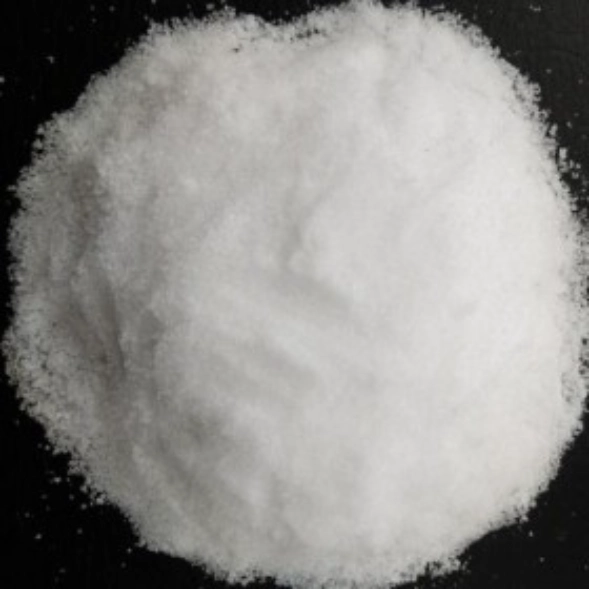
But not every potassium nitrate product is intended for the same job. Purity, particle form, and the final application all need to fit the production process. For agricultural applications, 99.4% products are available in both granules and powder, giving fertilizer manufacturers more flexibility when selecting raw materials.
Anhui Shengda Chemical Technology Co., Ltd. has been focused on potassium nitrate research, production, and sales since 2014. Its agricultural grade range includes 99.4% potassium nitrate products for different crop and fertilizer applications.
Why Is Agricultural Grade Potassium Nitrate Used in Fertilizer Production?
Potassium nitrate contains both nitrogen and potassium, two nutrients commonly required in crop production. This makes it useful in fertilizer formulations where both nutrients need to be supplied without introducing another source of nitrogen or potassium.
The physical form also matters. Some fertilizer products are designed for mechanical application and are better suited to granular materials. Other formulations may require a powder that can be mixed or processed more easily.
For this reason, selecting nitrate de potassium de qualité agricole is not simply about checking the KNO₃ content. The product needs to fit the way the fertilizer is made and used.
What Does 99.4% Agricultural Grade Potassium Nitrate Offer?
The agricultural grade products on the product range are specified at 99.4% purity. They are offered in granular and powder forms for different agricultural uses.
99.4% agricultural grade potassium nitrate is a practical specification for fertilizer-related applications where this purity meets the formulation requirements. It also gives buyers a clear basis for product selection and procurement.
Higher purity is not automatically necessary. If a fertilizer formulation is designed around a 99.4% agricultural grade product, moving to a higher-purity material may add cost without improving the final product.
The better approach is to start with the technical requirements of the fertilizer and then select the appropriate potassium nitrate grade.
Granules or Powder: Which One Fits Better?
The choice between granules and powder often comes down to handling and application.
Granules are easier to handle in many bulk fertilizer operations and can work well with mechanical spreading equipment. Powder can be more suitable for mixing, blending, or applications where a finer material is preferred.
| Form | Main Advantage | Typical Applications |
| Granules | Convenient handling and mechanical application | Mechanized fertilization, fruit applications, tobacco |
| Powder | Suitable for mixing and fine-material applications | Tobacco, tea, general agricultural use |
The agricultural grade potassium nitrate KNO₃ granules listed in the product range include products for mechanized fertilization, fruit expansion and promoting reddening, and tobacco cultivation.
That does not mean granules are suitable for every fertilizer product. If the production line relies on fine powders for blending or formulation, powder may be the more practical option.
What Agricultural Applications Are Covered?
Agricultural use is not limited to one type of fertilizer or crop. The product range includes 99.4% potassium nitrate for several specific applications.
These include:
- Mechanized fertilization
- Fruit expansion and promoting reddening
- Tobacco cultivation
- Tea cultivation
- General agricultural applications
For mechanized fertilization, granular potassium nitrate can be used where the fertilizer application system is designed for solid granules.
For fruit applications, the range includes a granular product intended for fruit expansion and promoting reddening. Tobacco cultivation has both granular and powder options, while powder is also available for tea cultivation.
This product range is useful for buyers who need to match the material with a particular crop or application instead of using one product across every agricultural project.
Why Does Physical Form Matter in Fertilizer Production?
Physical form can affect several stages of production, from storage and feeding to mixing and final application.
Granules are often easier to move through bulk handling systems and can be convenient for mechanical fertilization. Their physical size also makes them easier to manage during storage and transportation.
Powder has its own advantages. It can be easier to incorporate into some fertilizer mixtures and may be preferred when the production process requires a finer raw material.
There is no universal answer to whether granules or powder are better. The right form depends on the equipment, formulation, and way the finished fertilizer will be applied.
What Should You Check Before Buying Agricultural Grade Potassium Nitrate?
A few practical points are worth checking before placing a bulk order.
Pureté
Confirm the purity required by the fertilizer formulation. The 99.4% specification may be sufficient for many agricultural applications, but the final decision should follow the product requirements.
Product Form
Decide whether granules or powder fit the production line better. Changing the physical form later can affect feeding, mixing, packaging, or application equipment.
Application
Look at the final use rather than choosing a product based only on its purity. Mechanized fertilization, fruit applications, tobacco, and tea may require different product forms.
Consistency
For continuous production, consistent raw material quality matters. Large differences between batches can make production control more difficult and may affect downstream processing.
Supply
Regular fertilizer production requires reliable access to raw materials. Packaging, order volume, documentation, shipping arrangements, and delivery schedules can all become important when purchasing internationally.
How Do KNO₃ Granules Work for Mechanized Fertilization?
Granular materials are particularly useful when fertilizer needs to be applied mechanically. They can be handled in bulk and fed through equipment designed for granular fertilizer.
The agricultural grade potassium nitrate KNO₃ granules available in the product range include a 99.4% product specifically listed for mechanized fertilization.
Other granular products are listed for fruit expansion and promoting reddening and for tobacco cultivation. This gives agricultural buyers several options within the same 99.4% product range.
For a fertilizer manufacturer, the main point is to make sure the granule form works with the existing production and application equipment. If it does, granules can simplify handling compared with a fine powder.
Is Higher Purity Always Better?
Not necessarily.
Purity is one part of product selection, but it should be considered alongside application, physical form, and production requirements. A fertilizer manufacturer does not necessarily gain an advantage by purchasing a higher-purity product if the existing formulation already works with 99.4% potassium nitrate.
This is especially relevant for large-volume procurement. The cost of raw materials, supply stability, handling, and compatibility with the production process can all have a greater effect on the overall value of a purchase.
In other words, the most suitable product is not always the one with the highest number on the specification sheet. It is the one that meets the actual requirements of the fertilizer being produced.
How Can Buyers Match the Product to the Application?
A simple way to narrow down the options is to look at the application first and the physical form second.
| Agricultural Requirement | Product Option |
| Mechanized fertilization | 99.4% KNO₃ granules |
| Fruit expansion and promoting reddening | 99.4% KNO₃ granules |
| Tobacco cultivation | 99.4% KNO₃ granules or powder |
| Tea cultivation | 99.4% KNO₃ powder |
| General agricultural use | 99.4% KNO₃ granules or powder |
The table is only a starting point. Fertilizer manufacturers should also consider their own formulation, equipment, packaging, and application method before confirming an order.
Why Is a Reliable Supplier Important?
When potassium nitrate is purchased regularly, supply arrangements become part of production planning. A supplier needs to provide the required specification consistently and support the practical side of the order.
Anhui Shengda Chemical Technology Co., Ltd. established its International Sales Department in 2024 to support overseas customers. Its services include technical consultation, documentation, customs clearance support, and logistics coordination.
For international fertilizer manufacturers, these services can be useful when orders involve different product forms, regular shipments, or specific documentation requirements.
FAQ
1. What is agricultural grade potassium nitrate used for?
Agricultural grade potassium nitrate is used in fertilizer production and crop-related applications where nitrogen and potassium are required. It is available in both granular and powder forms for different uses.
2. What is 99.4% agricultural grade potassium nitrate?
It is an agricultural grade potassium nitrate product with a specified purity of 99.4%. The product range includes both granular and powder forms for different agricultural applications.
3. What are agricultural grade potassium nitrate KNO₃ granules used for?
The granular products are listed for applications including mechanized fertilization, fruit expansion and promoting reddening, and tobacco cultivation. They can be considered where granular material is suitable for the production or application process.
4. Is agricultural grade potassium nitrate available in powder form?
Yes. The agricultural product range includes 99.4% potassium nitrate powder, including products listed for tobacco cultivation, tea cultivation, and general agricultural applications.
5. Should fertilizer manufacturers always choose the highest-purity potassium nitrate?
No. The required purity depends on the fertilizer formulation and its intended use. If 99.4% agricultural grade potassium nitrate meets the technical requirements, a higher-purity product may not provide additional practical value.
Conclusion
The suitability of nitrate de potassium de qualité agricole for modern fertilizer production comes down to how well the product fits the actual process. Purity is important, but so are physical form, application, handling, and supply.
The 99.4% agricultural grade range provides both granules and powder. 99.4% agricultural grade potassium nitrate granules are available for mechanized fertilization, fruit expansion and promoting reddening, and tobacco cultivation, while powder products cover applications such as tobacco and tea cultivation.
For buyers, the most sensible starting point is the intended application. From there, the required purity and physical form can be selected to match the fertilizer formulation and production equipment. This makes the purchasing decision more straightforward and avoids paying for specifications that are not needed.

