
What Makes High-Purity Potassium Nitrate Suitable for Demanding Industrial Applications?
Release time: 2026-09-20
جدول المحتويات
Industrial processes often leave little room for inconsistency in raw materials. Small differences in purity or impurity levels can affect melting, processing, chemical performance, or the quality of the finished product. This becomes especially important in applications involving high temperatures or strict material specifications.
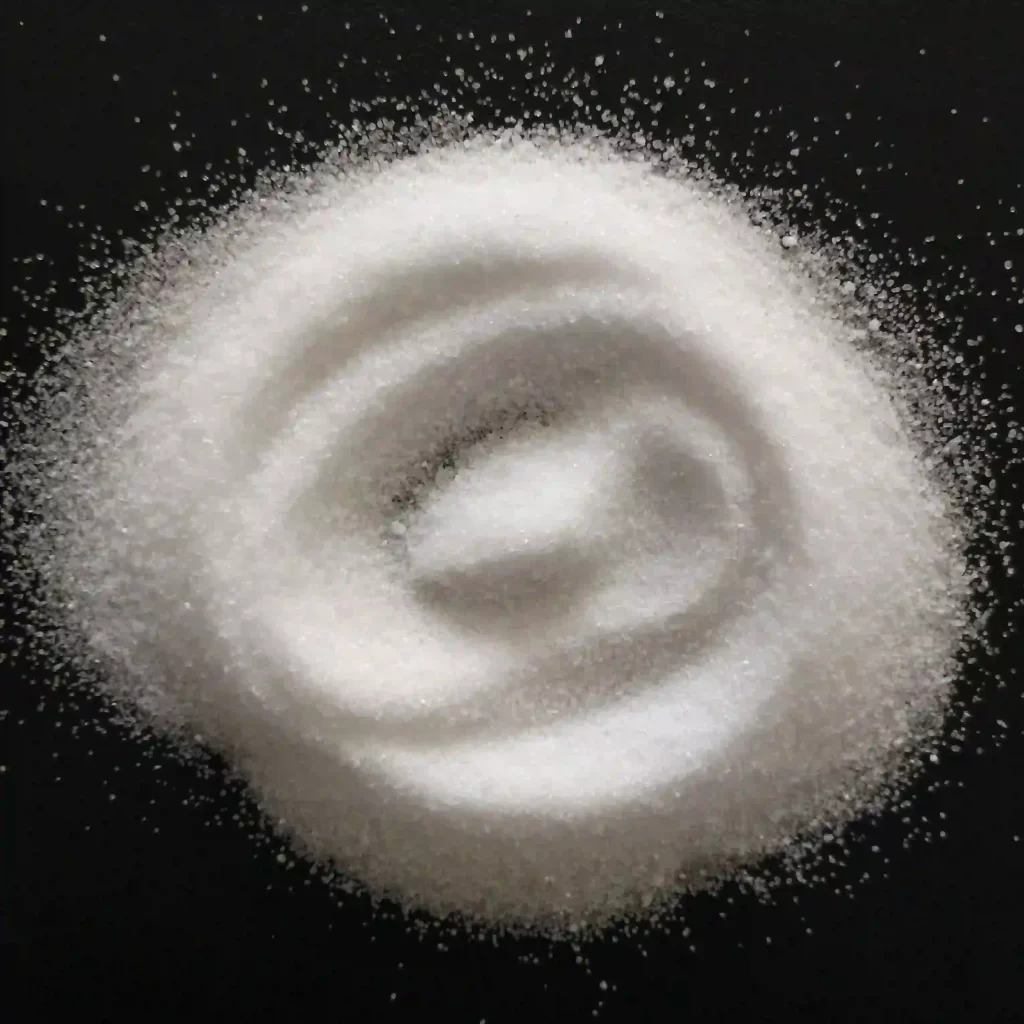
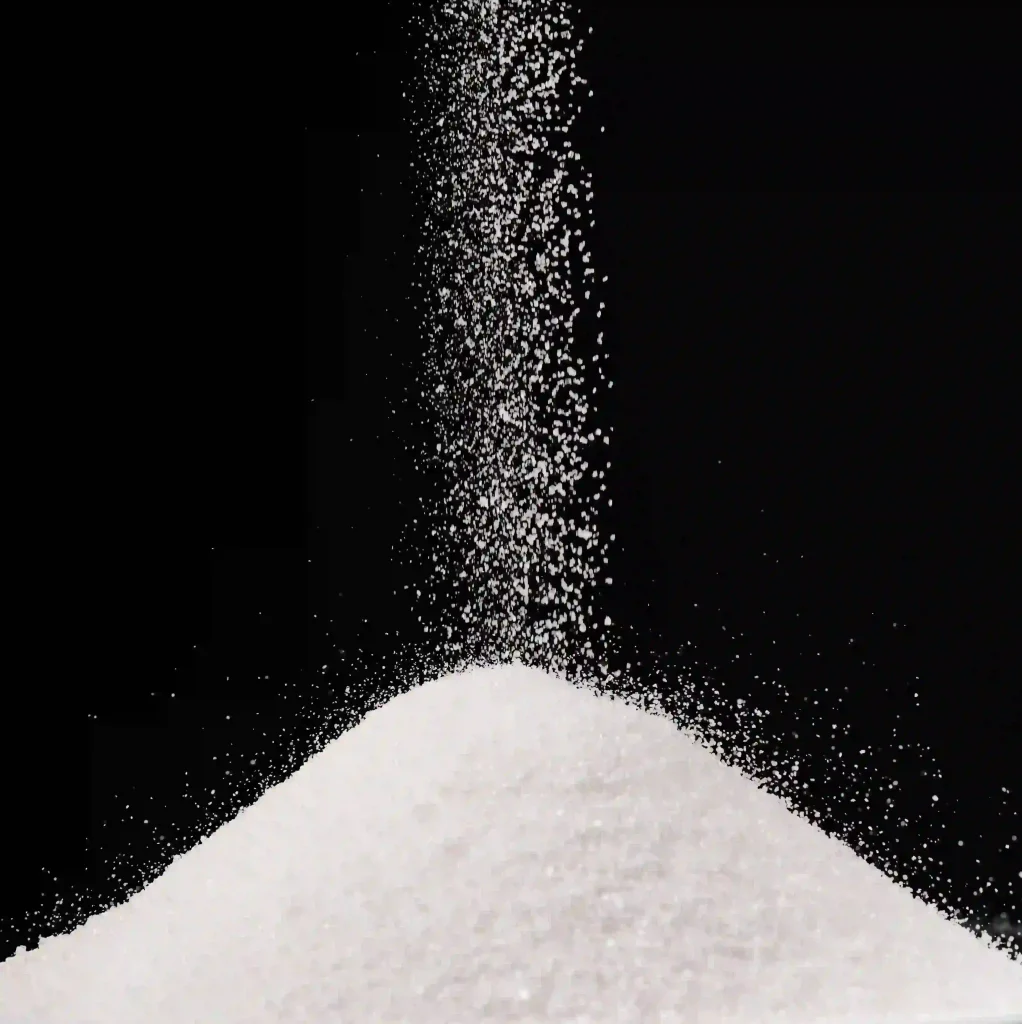
Anhui Shengda Chemical Technology Co., Ltd., established in 2014, focuses on the R&D, production, and sales of high-quality potassium nitrate. Its high-purity products are developed for applications with stricter material requirements.
Compared with standard grades, نترات البوتاسيوم عالية النقاء provides better control over chemical composition and impurity levels. But purity alone does not determine whether a product is suitable. The product grade, physical form, impurity limits, and actual production conditions all need to be considered.
Why Is High-Purity Potassium Nitrate Used in Demanding Applications?
Potassium nitrate is used in a variety of industrial processes, and different applications can have very different material requirements.
When a process is sensitive to impurities, a higher-purity grade can help provide more consistent raw-material quality. Certain unwanted substances, even in small amounts, may affect melting behavior, chemical reactions, material stability, or the final product.
High-purity potassium nitrate is therefore often considered when production requires:
- High chemical purity
- Controlled impurity levels
- Consistent material quality
- Stable performance during heating or melting
- Reliable results between batches
The suitable grade depends on the process. A higher purity level is useful when it addresses an actual production requirement.
High-Purity Potassium Nitrate for Different Industrial Requirements
Not every industrial application needs exactly the same potassium nitrate specification. Some focus mainly on chemical purity, while others have additional requirements related to heating, melting, or the use of potassium nitrate in a molten salt system.
The high-purity potassium nitrate range includes products for different industrial requirements. One is 99.9% high-purity potassium nitrate powder, which is suitable for applications where a higher level of chemical purity is required. Another is a molten salt grade intended for processes that use potassium nitrate as part of a molten salt system.
| Product Type | نقاء | Form | Main Application Consideration |
| High-purity potassium nitrate | High purity | Powder | Industrial processes with stricter raw-material requirements |
| 99.9% high-purity potassium nitrate | 99.9% | Powder | Applications requiring a higher level of chemical purity |
| Molten salt grade high-purity potassium nitrate | High purity | Powder | Processes involving molten salt systems and elevated temperatures |
These products should not be selected based on purity alone. The production process and material requirements should guide the final choice.
How Does Purity Affect Industrial Processing?
Purity becomes more important when a process is sensitive to trace components.
During heating, melting, dissolution, or chemical processing, certain impurities can influence material behavior. In some applications, they may also affect the consistency or appearance of the finished product.
Using a high-purity raw material helps reduce unnecessary components and gives manufacturers better control over the production process. This can be useful when:
- the material is heated or melted during production;
- the process has strict raw-material specifications;
- the finished product has demanding performance requirements;
- trace impurities may interfere with subsequent processing;
- consistent results are needed across repeated production runs.
The benefit is not simply a higher purity number. What matters is whether the purity and impurity profile fit the intended application.
Is 99.9% High-Purity Potassium Nitrate Always the Better Choice?
Not necessarily.
Some industrial processes can work well with lower-purity potassium nitrate, while others require tighter chemical specifications. Choosing a 99.9% grade when it is not needed may increase material costs without providing a practical benefit. On the other hand, using a lower grade where impurity control is critical may lead to processing issues.
99.9% high-purity potassium nitrate is most relevant when the application calls for a higher level of chemical purity.
When comparing products, buyers should also check impurity limits, moisture, water-insoluble matter, physical form, and batch consistency. The best product is the one that meets the process requirements without adding unnecessary specifications.
Why Does Physical Form Matter?
The physical form of potassium nitrate can affect how easily it fits into a production process.
Powder is often preferred when the material needs to be mixed, dissolved, fed, or processed in a controlled way. For high-temperature applications, the way the material behaves during melting can also be important.
A purchasing decision should therefore cover both chemical and physical specifications.
Before placing an order, manufacturers may need to confirm:
- نقاء
- Powder or particle characteristics
- Moisture content
- Water-insoluble matter
- Relevant impurity limits
- Packaging requirements
- Batch-to-batch consistency
Clear specifications make it easier to compare suppliers and determine whether a particular grade fits the production process.
Where Does Molten Salt Grade High-Purity Potassium Nitrate Fit?
Molten salt applications have their own material requirements. Potassium nitrate may be heated to form part of a molten salt system, making thermal conditions and material stability important considerations.
Molten salt grade high-purity potassium nitrate is intended for this type of application. It should be selected according to the operating conditions of the specific process rather than simply because it is a high-purity product.
For procurement teams, useful points to review include purity, operating temperature, salt composition, impurity specifications, and expected service conditions.
Matching the grade to the process also helps avoid treating all high-purity potassium nitrate products as interchangeable.
What Should Buyers Check Before Purchasing?
Price is important, but it should not be the only consideration when purchasing potassium nitrate for industrial production.
A lower-priced product may not be economical if its quality varies between batches or its specifications do not fit the process. Additional process adjustments, rejected material, or inconsistent production can quickly offset the initial price difference.
A practical purchasing review can focus on five areas.
1. Purity
Check whether the stated purity meets the requirements of the application. Higher-purity grades such as 99.9% are more relevant when the process has tighter chemical specifications.
2. Impurity Limits
Look at the individual impurity specifications that matter to the application instead of relying only on the overall purity figure.
3. Physical Form
Confirm that the supplied powder or other physical form is suitable for storage, handling, feeding, dissolving, or melting.
4. Batch Consistency
For regular industrial purchasing, consistent quality is just as important as the specification of a single batch.
5. Supply and Service
International buyers should also consider packaging, documentation, delivery arrangements, technical communication, and the supplier’s ability to maintain a stable supply.
How Can Manufacturers Select the Right Grade?
The easiest approach is to start with the production process rather than the product name.
First, identify the required purity. Then check whether the process has specific requirements for impurities, moisture, physical form, or thermal performance. Once these requirements are clear, the available grades can be compared on a practical basis.
| Production Requirement | Key Point to Check |
| General high-purity use | Purity and relevant impurity limits |
| Higher purity requirement | 99.9% grade and supporting specifications |
| Molten salt application | Grade suitability for the operating conditions |
| Continuous production | Batch consistency and supply stability |
| International procurement | Packaging, documents, logistics, and technical support |
This approach keeps the purchasing decision focused on actual production needs rather than a single specification.
Why Is Supplier Reliability Important?
For manufacturers that purchase potassium nitrate regularly, supply stability can have a direct effect on production planning.
A qualified supplier should be able to maintain consistent product quality while providing the documentation and support needed for ongoing orders. This becomes even more important in international procurement, where communication, shipping, and customs documentation are also part of the purchasing process.
التعليمات
1. What is high-purity potassium nitrate used for?
High-purity potassium nitrate is used in industrial processes where chemical purity and impurity control are important. The specific application depends on the required material specifications and operating conditions.
2. Is 99.9% potassium nitrate suitable for all industrial applications?
No. A 99.9% grade is useful when a higher purity level is required, but some applications may not need it. Product selection should be based on the actual process requirements.
3. What is molten salt grade potassium nitrate?
It is a high-purity potassium nitrate grade intended for applications involving molten salt systems. Its suitability depends on factors such as operating temperature, salt composition, and other process requirements.
4. What specifications should buyers compare?
Besides purity, buyers should review impurity limits, moisture, physical form, water-insoluble matter, packaging, batch consistency, and supply capability.
5. Does higher purity always mean better performance?
Not necessarily. Higher purity can be important for demanding applications, but the most suitable product is the one whose specifications match the production process.
6. How should manufacturers choose between different high-purity potassium nitrate products?
The choice depends on the application. Buyers should compare purity, impurity specifications, physical form, operating conditions, and supplier consistency before placing an order.
Conclusion
High-purity potassium nitrate is suitable for demanding industrial applications because it provides tighter control over chemical composition and can help manufacturers maintain more consistent processing conditions.
Still, purity alone does not determine whether a product is right for a particular process. نترات البوتاسيوم عالية النقاء, 99.9% high-purity potassium nitrate, and molten salt grade high-purity potassium nitrate should be evaluated according to the intended application, impurity requirements, physical form, and operating conditions.
For long-term industrial purchasing, product consistency and supplier reliability matter just as much. Anhui Shengda Chemical Technology Co., Ltd. focuses on the R&D, production, and sales of high-quality potassium nitrate, providing different grades for industrial customers with specific application requirements.

