Agricultural Grade vs. Industrial Grade Potassium Nitrate: What Is the Difference?
Release time: 2026-08-05
Table of Contents
Potassium nitrate is used in both agriculture and industrial manufacturing, but the product requirements are not the same. Fertilizer production, crop cultivation, glass manufacturing, and ceramic production may require different grades, purity levels, or physical forms.
Anhui Shengda Chemical Technology Co., Ltd. (Kewo Chemical) has been producing potassium nitrate since 2014, with products covering agricultural grade, industrial grade, and high-purity applications. So, when comparing these grades, what are the actual differences, and which one is suitable for your application?
Potassium Nitrate Grades and Applications
SDHG Chemical’s potassium nitrate range includes several products with different purity levels and uses.
| Grade | Purity | Form | Main Application |
| Agricultural Grade | 99.4% | Granules / Powder | Mechanized fertilization, fruit crops, tobacco, tea cultivation |
| Industrial Grade | 99.5% | Powder | Glazed ceramics, glass manufacturing |
| High-Purity Grade | 99.6%–99.9% | Powder | Optical glass, consumer electronics glass |
The products are not simply separated by purity. Their form and intended application also differ, which is important when choosing a material for production or agricultural use.
Agricultural Grade Potassium Nitrate
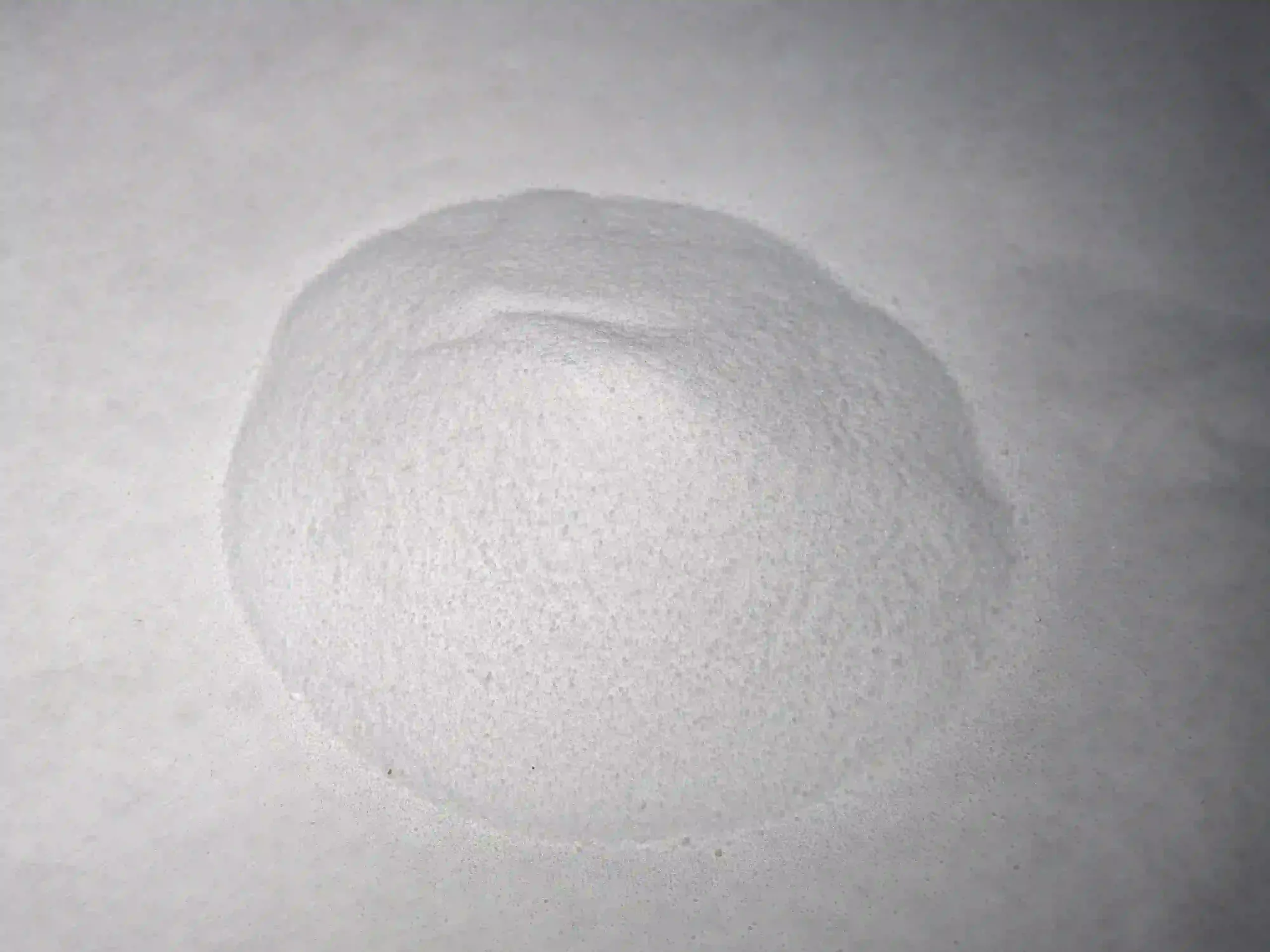
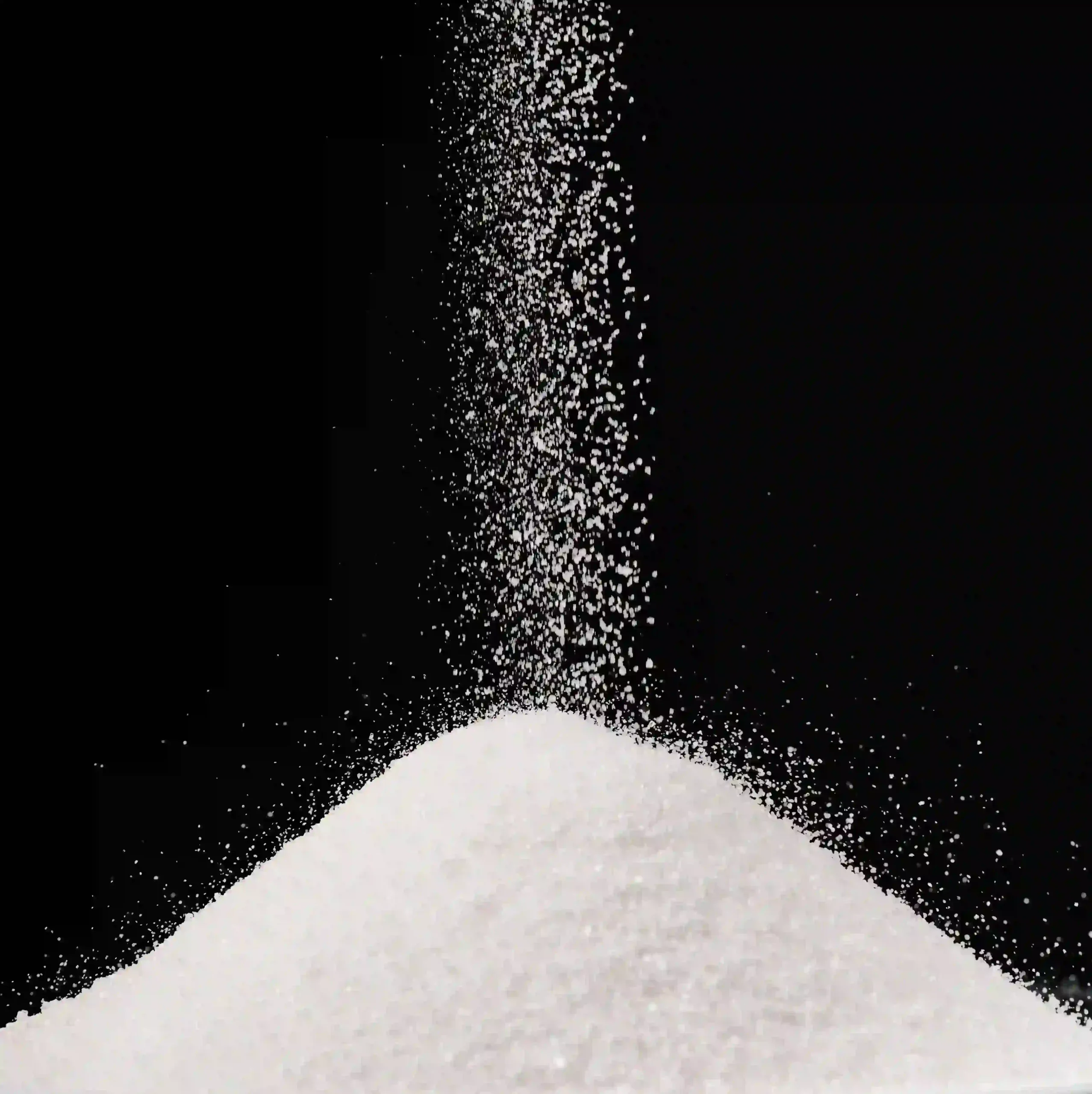
Agricultural grade potassium nitrate is mainly used in fertilizer and crop applications. SDHG Chemical offers 99.4% potassium nitrate in both granular and powder forms.
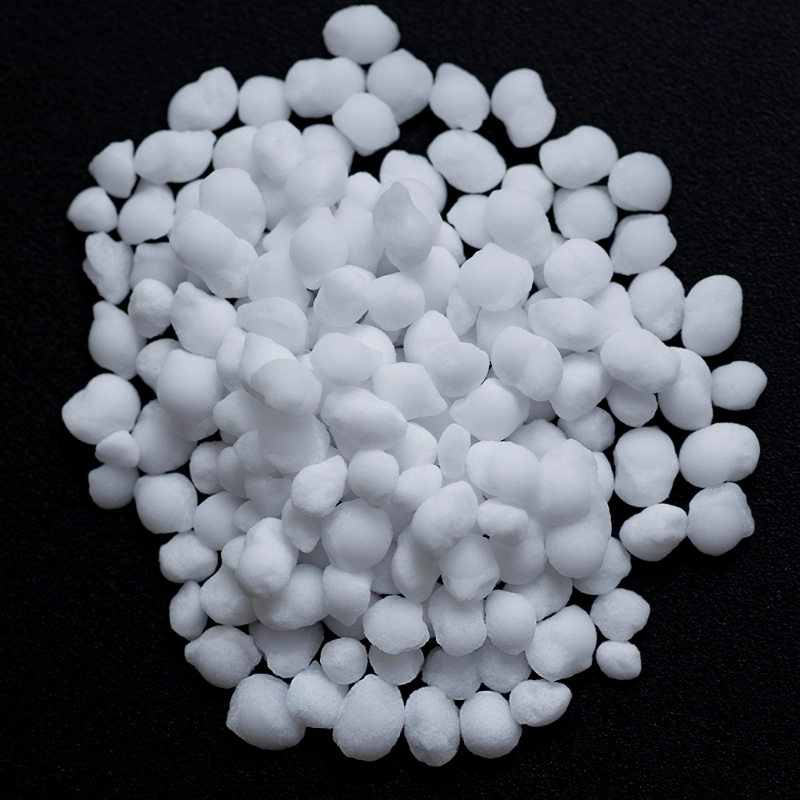
The granular products include a 99.4% grade for mechanized fertilization and another designed for fruit expansion and promoting reddening. These applications require a form that is convenient for handling and application in agricultural operations.
For tobacco cultivation, both granular and powder products are available. There is also a 99.4% potassium nitrate powder for tea cultivation.
This range gives agricultural buyers several options instead of relying on one standard product for every crop and application.
Granules or Powder: Which Is More Suitable?
The choice between granules and powder depends largely on how the product will be used.
Granules are well suited to mechanized fertilizer application and can be easier to handle in bulk. Powder can be more convenient when potassium nitrate needs to be incorporated into a fertilizer formulation or dissolved before use.
The crop, application equipment, and fertilizer process should all be considered before selecting the form.
Industrial Grade Potassium Nitrate
Industrial grade potassium nitrate is intended for manufacturing applications. SDHG Chemical lists 99.5% potassium nitrate powder for glazed ceramic craft and glass manufacturing.
In these applications, the material is used as part of a production process rather than as a fertilizer. Consistent quality is therefore important, particularly when the raw material is used regularly in a production line.
For glazed ceramics, the requirements may be different from those of glass manufacturing. Buyers should check the product specification against their own process instead of assuming that one industrial grade will suit every application.
The 99.5% industrial grade provides an option for manufacturers that do not need the higher purity levels of the high-purity products.
Agricultural Grade vs. Industrial Grade Potassium Nitrate
The biggest difference between the two grades is their intended use.
Agricultural grade is developed for fertilizer and crop-related applications, while industrial grade is intended for manufacturing processes. This difference affects the way the products are supplied and selected.
Application
The agricultural range from SDHG Chemical includes products for mechanized fertilization, fruit cultivation, tobacco, and tea.
The industrial range focuses on glazed ceramics and glass manufacturing.
So, even when two products have similar KNO₃ content, their suitability can be different because they are designed for different applications.
Purity
The listed agricultural products have a purity of 99.4%, while the industrial products have a purity of 99.5%.
The difference is relatively small, but purity should not be considered separately from the application. A fertilizer producer does not necessarily benefit from paying for a higher-purity industrial product if the agricultural grade already meets the required specification.
For industrial users, the relevant question is whether the product meets the requirements of the manufacturing process.
Physical Form
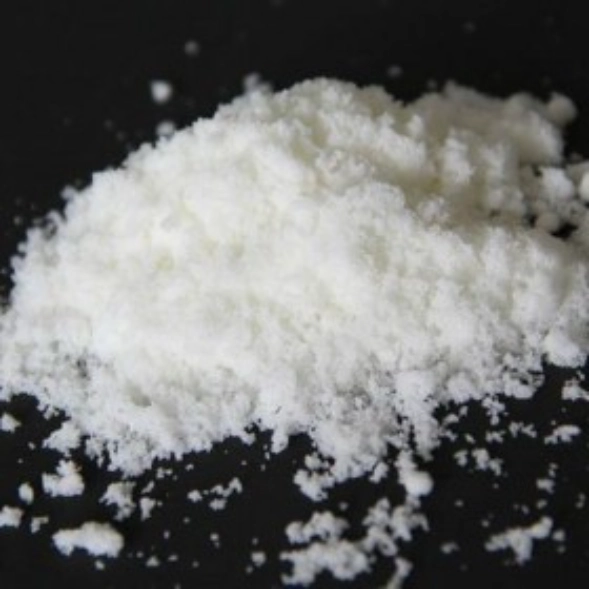
Agricultural potassium nitrate is available as both granules and powder. The industrial products listed are powder products.
This difference can matter during storage, transportation, mixing, dissolution, and application. Buyers should choose the form that fits their existing equipment and process.
High-Purity Potassium Nitrate for Specialized Applications
High-purity potassium nitrate is intended for applications with higher raw-material requirements.
The SDHG Chemical product range includes:
- 99.6% potassium nitrate powder for optical glass
- 99.9% potassium nitrate powder for consumer electronics glass
These products have higher purity than the agricultural and standard industrial grades.
99.6% Potassium Nitrate for Optical Glass
Optical glass production can place tighter requirements on raw materials than general industrial applications. A suitable potassium nitrate specification can help manufacturers maintain the material quality required by their process.
The 99.6% product is specifically listed for optical glass, making it different from the 99.5% industrial grade intended for general glass manufacturing.
99.9% Potassium Nitrate for Consumer Electronics Glass
The product range also includes 99.9% high-purity potassium nitrate powder for consumer electronics glass.
The higher purity level makes this product suitable for an application with more demanding material requirements. It should not, however, be viewed as a universal replacement for other grades. The right choice still depends on the specifications of the production process.
How to Choose the Right Grade?
Start with the application, then look at the required purity and physical form.
For Agricultural Applications
For fertilizer and crop-related uses, the 99.4% agricultural products are the relevant options.
- Mechanized fertilization: 99.4% granules
- Fruit expansion and promoting reddening: 99.4% granules
- Tobacco cultivation: 99.4% granules or powder
- Tea cultivation: 99.4% powder
- Other agricultural applications: 99.4% powder, where the specification is suitable
The choice between granules and powder should be based on the application method and equipment.
For Industrial Applications
For glazed ceramics and general glass manufacturing, the 99.5% industrial grade potassium nitrate powder is the relevant product category.
Before ordering, manufacturers should compare the product specification with the requirements of their own production process.
For Higher-Purity Glass Applications
For optical glass and consumer electronics glass, the high-purity products are more appropriate.
The available options include 99.6% and 99.9% potassium nitrate powder. The required purity should be determined by the customer’s process and finished-product requirements.
What Should Buyers Consider Before Purchasing Potassium Nitrate?
Purity is important, but it is not the only point to check.
Application: Confirm exactly where the potassium nitrate will be used. This determines the appropriate grade.
Purity: Compare the required purity with the available product specifications instead of automatically choosing the highest grade.
Physical form: Check whether granules or powder are better suited to your equipment and process.
Quality consistency: For regular production, stable quality between batches can help reduce changes to downstream processing.
Supply and service: International buyers may also need support with technical questions, documentation, customs clearance, and shipping arrangements.
These factors can have a direct effect on procurement, especially for companies purchasing potassium nitrate on a regular basis.
Why Supplier Capability Matters
For long-term procurement, having the right product is only part of the equation. Stable quality and reliable supply are also important.
Anhui Shengda Chemical Technology Co., Ltd. (Kewo Chemical) has focused on potassium nitrate R&D, production, and sales since 2014. In 2024, the company established an international sales department to support its overseas business.
Its service team provides technical consultation, customs clearance support, and logistics coordination for international customers. For buyers dealing with different grades and application requirements, this type of support can make product selection and international procurement easier.
FAQ
1. What is the main difference between agricultural and industrial grade potassium nitrate?
The main difference is their intended application. Agricultural grade is used for fertilizer and crop applications, while industrial grade is used in manufacturing processes such as glass and glazed ceramics.
2. What purity is agricultural grade potassium nitrate?
The agricultural products listed by SDHG Chemical have a purity of 99.4% and are available in granular and powder forms.
3. What is 99.5% industrial grade potassium nitrate used for?
The listed 99.5% industrial grade potassium nitrate powder is intended for glazed ceramic craft and glass manufacturing.
4. What is high-purity potassium nitrate used for?
The high-purity range includes 99.6% potassium nitrate for optical glass and 99.9% potassium nitrate for consumer electronics glass.
5. Should I always choose the highest-purity potassium nitrate?
No. The required purity depends on the application. Choosing a higher-purity product than necessary can increase purchasing costs without providing a practical benefit. The product should match the technical requirements of the intended use.
Conclusion
Agricultural grade, industrial grade, and high-purity potassium nitrate are designed for different applications.
The 99.4% agricultural products from SDHG Chemical are available in powder and granule forms for applications such as mechanized fertilization, fruit cultivation, tobacco, and tea. The 99.5% industrial grade is supplied as powder for glazed ceramics and glass manufacturing. For applications requiring higher purity, the product range includes 99.6% potassium nitrate for optical glass and 99.9% potassium nitrate for consumer electronics glass.
When selecting potassium nitrate, it is better to match the product to the actual application instead of choosing based on purity alone. The right combination of grade, purity, physical form, and supply capability can make procurement more practical and help maintain stable production.